

Destination Wedding
in Spain
Complete Guide for International Couples



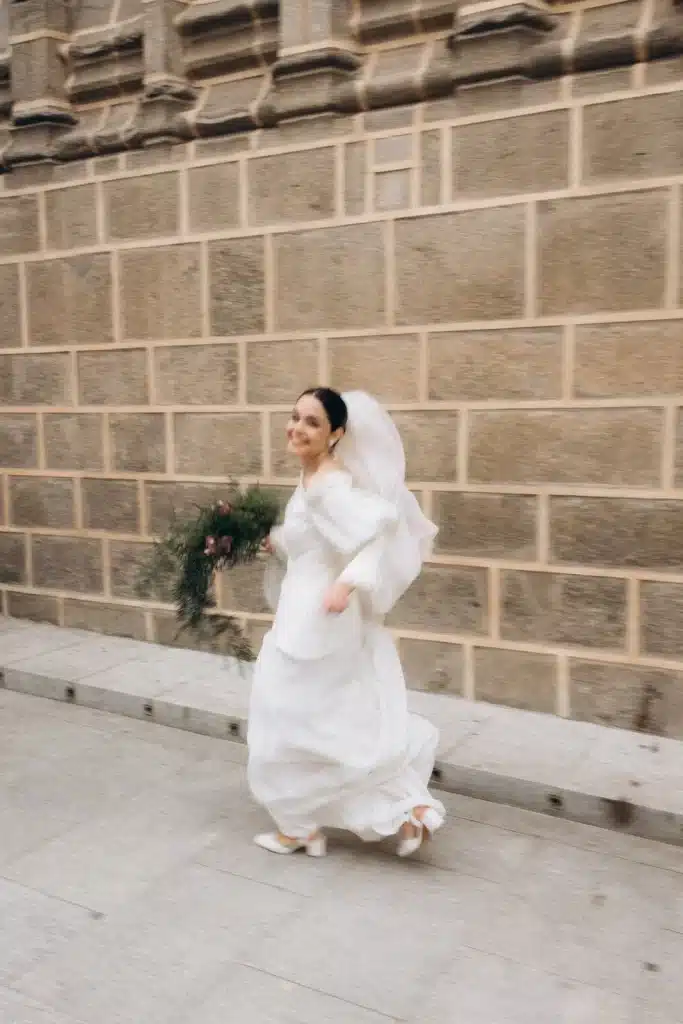
Spain has become one of the most sought after locations in Europe for couples planning a destination wedding. From historic Andalusian palaces and elegant Mediterranean villas to countryside fincas surrounded by olive groves, the country offers an extraordinary range of settings for a wedding celebration.
Many international couples choose Spain not only for its landscapes, but for the atmosphere that surrounds a wedding here. Warm light, vibrant culture, exceptional cuisine and relaxed multi day celebrations make Spain one of the most memorable places in Europe to gather friends and family.
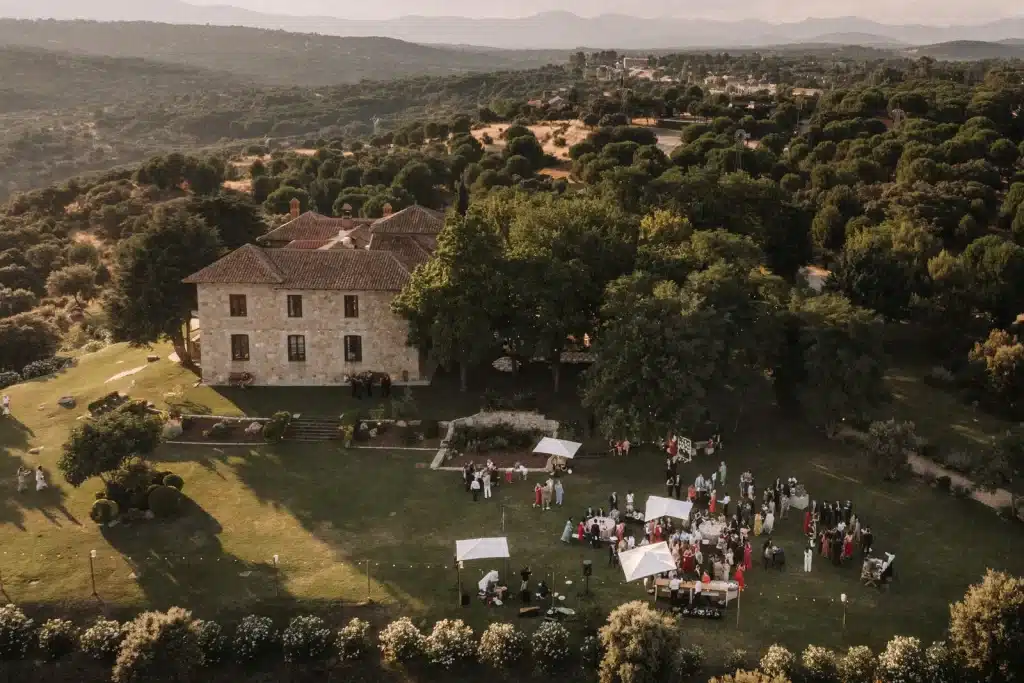
Some of the most beautiful destination wedding locations in Spain include cities such as Seville, the coastline of Marbella and the Costa del Sol, and the historic countryside estates of Andalusia. Each region offers its own character, architecture and atmosphere for couples dreaming of an elegant celebration abroad.
We photograph destination weddings throughout Spain and across Europe, documenting celebrations in historic cities, Mediterranean villas and countryside estates where couples bring their closest friends and family together for an unforgettable wedding experience.
If you are planning a destination wedding in Spain, this guide explores some of the most beautiful places to get married and what makes each location unique.
Why Choose Spain for a Destination Wedding
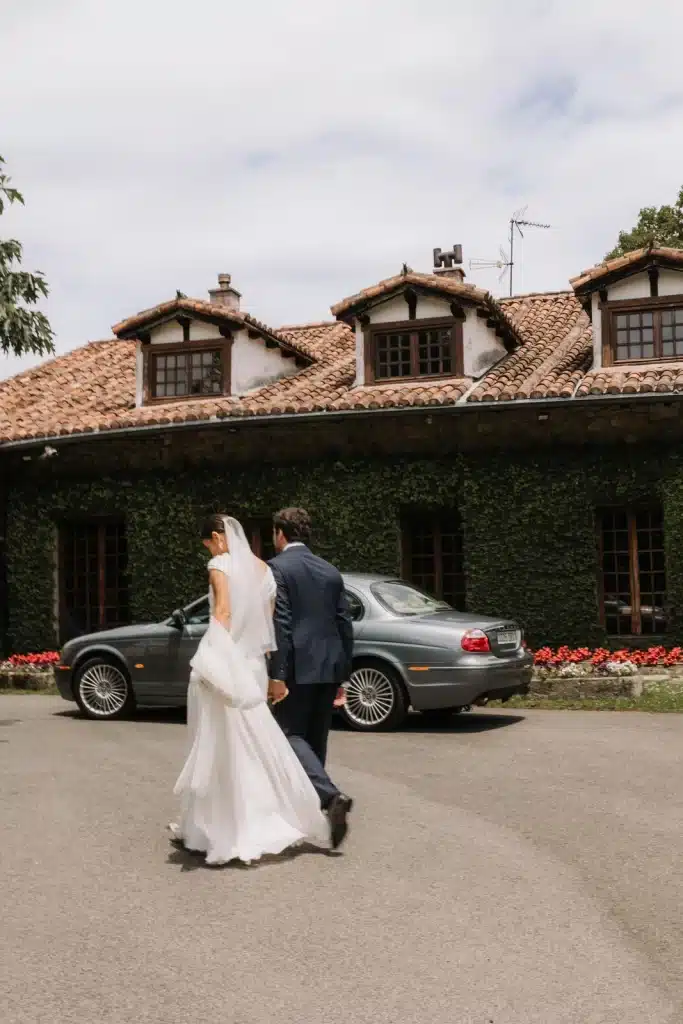
Spain offers an exceptional balance between heritage and energy.
Couples choose Spain because:
• Historic palaces and fincas
• Mediterranean coastline and countryside
• Long outdoor wedding season
• Strong culinary identity
• Vibrant yet intimate atmosphere
Unlike more formal European destinations, Spain allows celebrations to feel expressive and relaxed without losing elegance.
Best Time of Year to Get Married in Spain
Spain offers one of the longest wedding seasons in Europe.
April–June
Warm temperatures and blooming landscapes.
July–August
Vibrant atmosphere with extended evening light, though heat planning is essential in southern regions.
September–October
Golden light and comfortable temperatures, particularly beautiful in Andalusia and central Spain.
Outdoor ceremonies and receptions are common, making seasonal timing important.
Best Regions in Spain for a Destination Wedding
Spain’s diversity allows couples to choose a region aligned with their aesthetic and atmosphere.
Seville, Marbella and the South of Spain
Southern Spain holds a very particular kind of atmosphere.
It is a place where weddings feel both grounded and expressive at the same time. Light becomes warmer, spaces open into courtyards and gardens, and the rhythm of the day naturally extends into long evenings. There is a sense of ease here, but also a strong visual identity shaped by architecture, textures and history.
As a destination wedding photographer South of Spain, this region offers a wide range of possibilities. In Seville, weddings often feel intimate and architectural, with a focus on enclosed spaces, shadow and stillness. In Marbella and along the Costa del Sol, the experience becomes more open, more fluid, with a closer connection to the sea and a softer, more relaxed energy.
For couples planning a wedding in this part of Spain, the experience often unfolds across multiple days. Welcome dinners in courtyards, ceremonies framed by historic architecture, and evenings that move naturally between indoor and outdoor spaces. It is a region that invites a slower, more immersive way of celebrating.
Madrid and Central Spain
Central Spain offers a different kind of presence.
Weddings here are often defined by a sense of structure and quiet elegance. Historic estates, palaces and countryside venues surrounding Madrid create an environment where architecture plays a central role in the experience. There is less emphasis on landscape and more on form, proportion and atmosphere.
For couples getting married in central Spain, the appeal often lies in this balance between accessibility and refinement. Madrid is well connected internationally, making it an ideal location for guests traveling from abroad, while the surrounding regions offer privacy and space for multi-day celebrations.
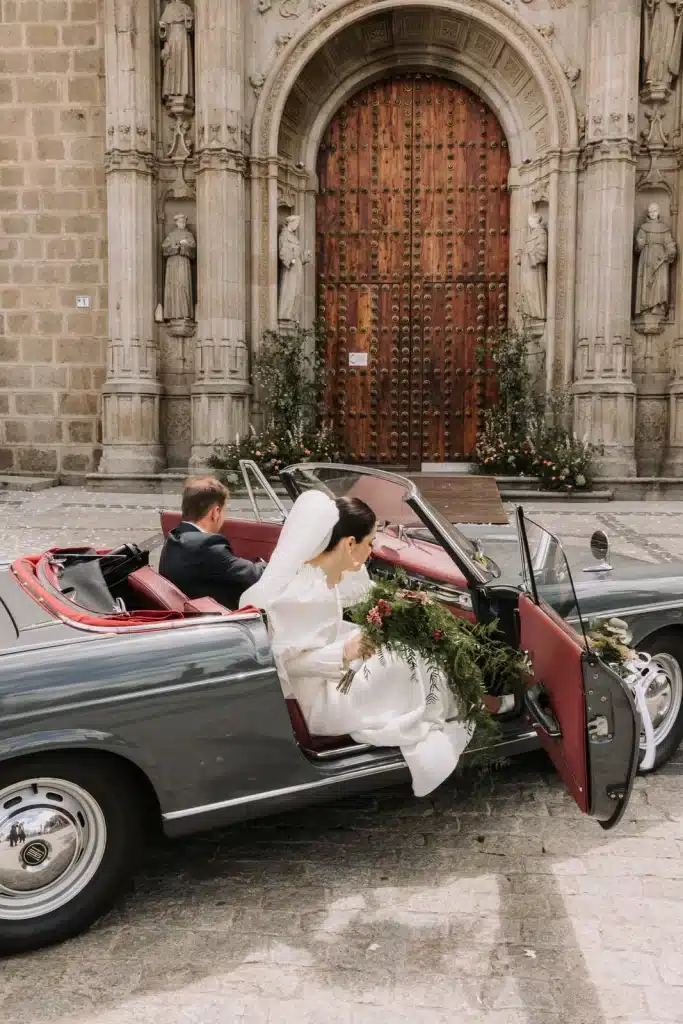
Locations such as Toledo introduce an additional layer of depth. A more historic and textured environment, where the wedding becomes closely tied to the identity of the place. As a wedding photographer Spain destination, working in this region often means focusing on composition, geometry and the relationship between light and architecture.
See here our wedding in Toledo
Explore here our wedding in Madrid
Barcelona and the Mediterranean Coast
Along the Mediterranean coast, weddings take on a different rhythm.
Barcelona and its surrounding areas combine architectural character with a strong connection to the sea. The result is a balance between urban sophistication and coastal openness. Light becomes brighter, movement more fluid, and the overall experience feels slightly more dynamic.
For couples planning a celebration here, the focus often shifts toward atmosphere and flow. Spaces transition naturally between interior and exterior, and the wedding day feels less contained and more expansive.
Locations such as Formentera or the Balearic Islands extend this feeling even further. A more stripped-back, intentional environment where the landscape itself becomes part of the design. As a destination wedding photographer Spain, these settings invite a more observational approach, allowing the natural elements to guide the visual narrative.
See here our wedding in Formentera
Northern Spain: Cantabria and San Sebastián
Northern Spain remains one of the most understated wedding regions in the country.
It offers a completely different atmosphere. Greener landscapes, softer light, and a quieter, more introspective energy. The pace slows down even further, and the experience feels more connected to nature and less influenced by expectation.
For couples looking for something less conventional, this part of Spain provides a compelling alternative. Locations such as Cantabria or San Sebastián allow for weddings that feel deeply personal, often shaped by landscape, weather and a more organic rhythm.
As an experienced destination wedding photographer Spain, working in the north requires a different sensitivity. Light changes quickly, environments are more unpredictable, and the focus shifts toward capturing atmosphere rather than controlling it. The result is often a more intimate and emotionally grounded visual story.
See here our wedding in Cantabria
Planning a Destination Wedding in Spain
as an International Couple
Planning a Spanish destination wedding from abroad requires structured coordination, particularly when hosting events in private fincas or historic estates.
Key considerations include:
• Legal vs symbolic ceremonies
• Venue exclusivity
• Guest accommodation and transport
• Multi-day event design
• Cultural pacing and evening celebrations
Spain’s wedding culture often embraces later dinner timelines and extended celebrations, which influences photography, lighting and flow of the event. Experienced local planners play a key role in coordinating vendors and ensuring a seamless experience for international couples.
What Does a Destination Wedding in Spain Cost?
Investment varies depending on:
• Region
• Venue type
• Guest count
• Floral and production design
• Multi-day event structure
Luxury destination weddings in Spain range widely depending on scale and styling. Smaller gatherings and elopements follow a different structure than large finca celebrations.
Wedding Photography in Spain
Spain’s visual language is defined by warmth and texture.
From sunlit courtyards and whitewashed walls to olive groves and Mediterranean coastlines, Spain provides contrast and movement.
Our approach to destination weddings in Spain balances editorial composition with documentary storytelling. We focus on atmosphere, architecture and emotional nuance.
Super 8 and 35mm film formats are particularly suited to Spain’s natural light and expressive rhythm.
Is It Easy to Plan a Spain Wedding from Abroad?
Many international couples wonder whether organising a Spain wedding remotely is realistic.
The short answer is yes, but only with the right structure in place.
Spain has a well-established wedding industry, particularly in regions such as Andalusia, Madrid and Catalonia. Most experienced planners and high-end venues are accustomed to working with international couples and managing communication in English.
For couples planning a Spain wedding from the United States, the United Kingdom or other European countries, the process typically involves:
• Selecting a private finca or estate venue
• Working with a local planner familiar with legal and logistical requirements
• Scheduling one or two pre-wedding visits when possible
• Coordinating guest accommodation and transfers
Because many Spain wedding venues operate as exclusive-use estates, having a structured timeline and clear vendor coordination is essential. With the right team in place, a Spain destination wedding can be organised efficiently from abroad without compromising experience or execution.
Intimate Weddings and Elopements in Spain
Spain is ideal for both large-scale finca celebrations and intimate gatherings. Smaller weddings of 10–30 guests often take place in:
• Private villas
• Boutique countryside estates
• Coastal terraces
• Historic courtyards
The relaxed Spanish atmosphere allows intimate weddings to feel immersive and deeply personal.
Explore Destination Weddings in Spain
You may also explore:
Seville Destination Wedding
Madrid Destination Wedding
Mallorca Destination Wedding
Frequently Asked Questions About Destination Weddings in Spain
Why is Spain a popular destination wedding location in Europe?
Spain is one of the most popular destination wedding locations in Europe because it offers diverse landscapes, historic venues, warm climate and strong hospitality infrastructure. From Andalusian estates in Seville to Mediterranean villas in Marbella and Barcelona, Spain combines architectural character with extended outdoor wedding seasons.
What is the best time of year for a destination wedding in Spain?
The best time for a destination wedding in Spain is typically between May and October. Spring and early autumn offer comfortable temperatures, while summer provides long evenings ideal for outdoor receptions, particularly in southern regions such as Andalusia and the Costa del Sol.
Can foreigners legally get married in Spain?
Legal marriage in Spain is possible for foreigners, but requirements vary depending on residency status and nationality. Many international couples choose to complete the legal paperwork in their home country and host a symbolic destination wedding in Spain for greater flexibility in venue and ceremony location.
How much does a destination wedding in Spain cost?
The cost of a destination wedding in Spain varies depending on region, guest count and venue type. Luxury finca or villa weddings can vary widely depending on production scale, floral design and multi-day event structure. Smaller weddings and elopements may follow a different budget framework.
contact us

Hey, we are Raquel and Iñaki
About Mosu Studio
Mosu Studio documents destination weddings across Spain and Europe with a refined editorial approach combining digital imagery, 35mm film and Super 8 motion.
Planning your destination wedding in Spain?
We would love to hear about your vision and help you create imagery that reflects the atmosphere and warmth of your celebration.